
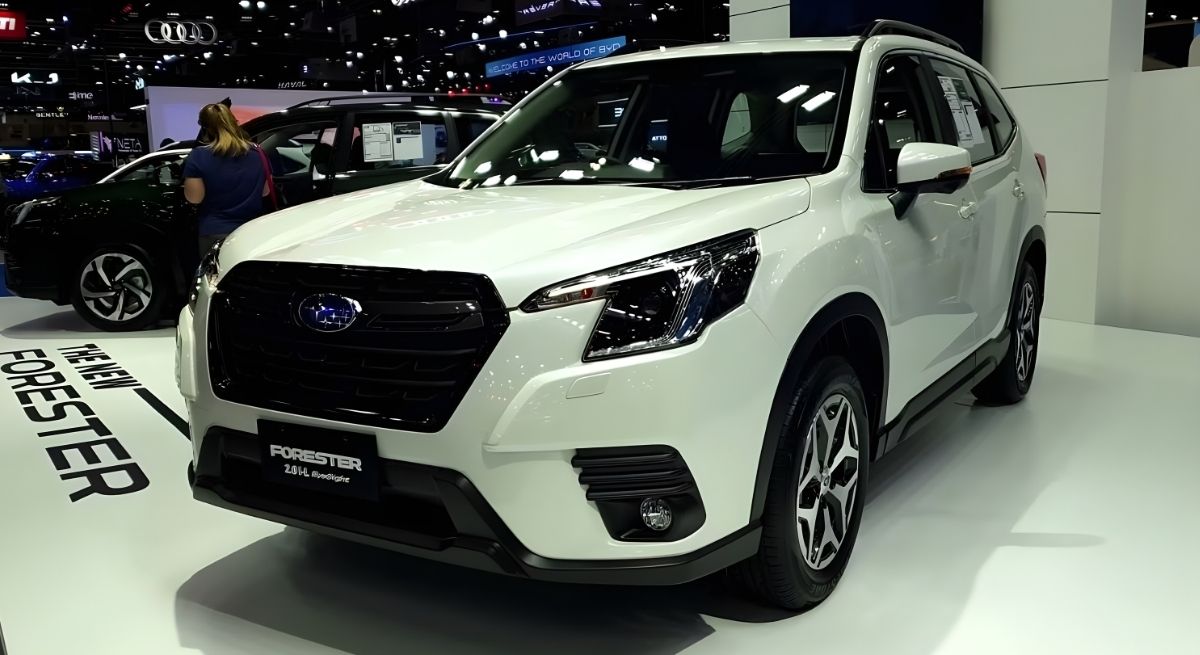
There is growing excitement among car enthusiasts in India following recent reports that Japanese automaker Subaru is actively considering re-entering the Indian market. The central focus of this potential return is the brand’s globally popular SUV, the Subaru Forester.
While Subaru has not yet made an official announcement confirming a launch date, the buzz surrounding the Forester is getting stronger. This article explores the possibilities of the Subaru Forester coming to India, what makes this SUV special, its expected features, and the rivals it would face in the competitive Indian automobile landscape.
The Buzz Around Subaru’s Return
Subaru is a brand known worldwide for its rugged engineering, reliability, and unique technologies like the Boxer engine and Symmetrical All-Wheel Drive (AWD). For many Indian auto enthusiasts, Subaru is a highly respected nameplate that has been missing from the country’s roads for too long.
Historically, Subaru did have a brief presence in India years ago. The second-generation Forester was sold here for a short period, rebadged as a Chevrolet due to global partnerships at the time. However, it was eventually withdrawn. Now, with the Indian SUV market booming and demand for premium, capable vehicles rising, reports suggest Subaru is taking another serious look at the subcontinent. The company is reportedly studying the market dynamics to decide on the best route for entry.
Read more: Subaru Forester
Why the Forester is Important for India
If Subaru decides to enter India, the Forester is the most logical model to lead the charge. India is currently dominated by SUVs, and Indian buyers appreciate vehicles that offer a blend of practicality, comfort, and genuine ability to tackle rough roads.
The Forester fits this requirement perfectly. Globally, it is categorized as a compact crossover SUV, but it is known for having better off-road capability than many of its soft-roader competitors. Its reputation for safety and durability makes it a strong contender for Indian families looking for a premium vehicle that can handle diverse driving conditions, from city traffic to weekend adventures.
Read more: Volkswagen Virtus 2026
Expected Features and Engineering
While we have to wait for India-specific details, we can look at the global model to understand what the Forester offers. The core of Subaru’s identity lies in its engineering, which would likely be the main selling point in India.
- Engine and Performance: The Forester is typically powered by a “Boxer” engine. Unlike traditional inline engines, the pistons in a Boxer engine move horizontally. This design sits lower in the vehicle, giving the SUV a lower center of gravity, which improves handling and stability. In international markets, it usually comes with a 2.5-litre petrol engine.
- Symmetrical All-Wheel Drive: This is Subaru’s signature feature. Unlike many on-demand 4WD systems that only activate when wheels slip, Subaru’s system sends power to all four wheels continuously. This provides superior traction on wet roads, dirt tracks, or slippery terrain, making it highly suitable for India’s varied road conditions.
- Safety and Technology: Modern Subarus are equipped with advanced safety suites. We can expect features like Subaru’s “EyeSight” driver-assist technology, which includes adaptive cruise control, collision braking, and lane departure warnings. Inside, the cabin would likely feature a large touchscreen infotainment system with modern connectivity options like Apple CarPlay and Android Auto, along with a comfortable, practical interior layout.
Estimated Price and Competition
If launched in India, the pricing strategy will depend heavily on how Subaru brings the car in. If it arrives as a Completely Built Unit (CBU), high import taxes will push the price up significantly. If they choose the Completely Knocked Down (CKD) route and assemble it locally, the pricing could be more competitive.
Based on its global positioning, the Subaru Forester would likely enter the premium SUV segment in India. Estimates suggest a price range anywhere between ₹30 lakh to ₹50 lakh (ex-showroom), depending on the import route.
At this price point, the Forester would face stiff competition. Its main rivals would include established players like the Volkswagen Tiguan, Skoda Kodiaq, Hyundai Tucson, and potentially higher variants of the Jeep Compass. It might also indirectly compete with the Toyota Fortuner, although the Forester is more crossover-oriented compared to the ladder-frame Fortuner.
What Happens Next?
Currently, everything is in the evaluation stage. Establishing a new brand requires setting up dealerships and a reliable service network, which is a major challenge. Some industry reports speculate that Subaru might leverage its global partnership with Toyota to help navigate the Indian market, but this has not been officially confirmed.
For now, Indian enthusiasts are waiting for an official word from Subaru. If the Forester does arrive, it will offer a unique, capable alternative in the crowded SUV market.
FAQs About Subaru Forester India
Q: Is the Subaru Forester officially launched in India?
No, as of now, Subaru has not officially launched the Forester in India. Reports suggest the company is currently evaluating the market for a potential entry.
Q: What will be the price of the Subaru Forester in India?
The official price is not known. However, based on its international pricing and potential import taxes, it is estimated to be in the range of ₹30 lakh to ₹50 lakh.
Q: What is special about the Subaru Forester engine?
The Forester uses a “Boxer” engine where pistons move horizontally. This design helps lower the vehicle’s center of gravity, resulting in better balance and handling.
Q: Will the India-spec Forester have 4WD?
Yes, Subaru is famous for its Symmetrical All-Wheel Drive (AWD) system, which comes standard on most of its models globally. It is highly likely the Indian model will have this feature.
Q: Which cars will be the main rivals of the Forester in India?
The Subaru Forester will likely compete with premium SUVs like the Volkswagen Tiguan, Skoda Kodiaq, and Hyundai Tucson.

Leave a Comment
Your email address will not be published. Required fields are marked *