
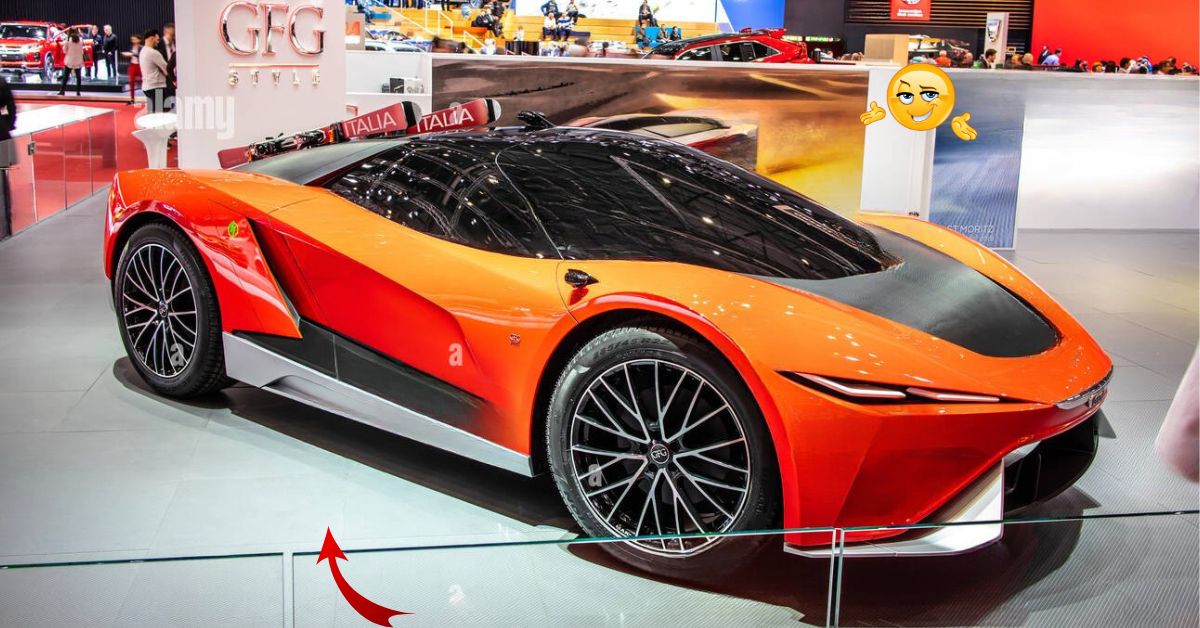
The Indian automotive landscape is witnessing a dramatic shift as the demand for “Super-SUVs” reaches an all-time high. No longer just a niche for the ultra-wealthy, these high-performance machines are becoming the ultimate status symbol for India’s growing class of entrepreneurs and young professionals. Blending the raw speed of a supercar with the rugged practicality of an off-roader, Super-SUVs are redefining what it means to drive on Indian roads. This year, 2026, marks a turning point where global manufacturers are not just exporting these models to India but are tailoring them specifically for the Indian market’s unique demands.
What Defines a Super-SUV?
A Super-SUV is more than just a large vehicle with a big engine. These cars are engineered to deliver performance that was once exclusive to low-slung Italian exotic cars. We are talking about vehicles that can accelerate from 0 to 100 km/h in under 4 seconds while still offering a high ground clearance to tackle monsoon-flooded streets or uneven terrain. Brands like Lamborghini, Ferrari, and Aston Martin have led this charge, but 2026 is seeing new entrants and specialized “Performance Divisions” from Mercedes-AMG and BMW M-series pushing the boundaries even further.
Check out more: Mercedes-Maybach EQS 680
Why the Indian Market is Obsessed
The surge in popularity within India is driven by a mix of aspiration and necessity. While a traditional supercar often struggles with the high speed bumps and unpredictable road conditions found in many Indian cities, a Super-SUV handles them with ease. This “go-anywhere” capability, combined with a commanding road presence, makes them the perfect vehicle for Indian buyers who want luxury without the constant worry of underbody damage.
Furthermore, the rise of “Henry” (High Earner, Not Rich Yet) and “DINK” (Dual Income, No Kids) households has created a fresh wave of buyers. These individuals are moving away from traditional luxury sedans toward vehicles that reflect a more active and adventurous lifestyle. Statistics suggest that the luxury car segment in India is projected to cross the $15 billion mark in 2026, with Super-SUVs accounting for a significant portion of that growth.
Key Launches and Trends in 2026
This year has been packed with high-profile reveals. One of the most talked-about trends is the shift toward “Hybrid Performance.” Manufacturers are now using electric motors to provide instant torque, making these heavy vehicles feel incredibly light and responsive.
- Lamborghini and Ferrari Dominance: The Lamborghini Urus continues to be a favorite, but the Ferrari Purosangue has seen a massive waiting list in India, despite its ultra-premium pricing.
- The Electric Revolution: High-performance electric SUVs, such as the upcoming Lotus Eletre and specialized variants from Audi’s e-tron range, are proving that “Super” doesn’t have to mean “Petrol.”
- Deep Penetration into Tier-II Cities: Interestingly, the demand is no longer restricted to Mumbai and Delhi. Cities like Chandigarh, Ahmedabad, and Hyderabad are seeing a spike in Super-SUV registrations, supported by better highway infrastructure like the Delhi-Mumbai Expressway.
The Impact on the Indian Auto Industry
The Super-SUV trend is forcing local manufacturers to level up. While brands like Tata and Mahindra operate in a different price bracket, we are seeing “Performance Packs” and “Sport Editions” (like the Hyundai N-Line or Tata’s Dark Editions) becoming standard offerings. The technology found in million-dollar Super-SUVs—such as Advanced Driver Assistance Systems (ADAS), air suspension, and carbon-ceramic brakes—is gradually trickling down to more affordable mid-size SUVs, benefiting the average Indian car buyer.
What’s Next for Super-SUVs?
Looking ahead, the focus is shifting toward “Bespoke Luxury.” Buyers in India are increasingly requesting custom paint jobs, interior materials like Malabar wood or specialized leather, and even armored versions of these high-performance vehicles. As the charging infrastructure for high-performance EVs improves across India’s national highways, expect the next generation of Super-SUVs to be quieter, greener, but just as fast.
Frequently Asked Questions (FAQs)
1. What is the difference between a luxury SUV and a Super-SUV?
A luxury SUV focuses primarily on comfort and premium materials (e.g., Mercedes-Benz GLS). A Super-SUV focuses on extreme performance, featuring engines and aerodynamics similar to supercars, while still maintaining the SUV shape.
2. Why are Super-SUVs so popular in India specifically?
They offer the prestige and speed of a supercar but are much more practical for Indian road conditions, such as high speed breakers, potholes, and water-logging.
3. Are there any electric Super-SUVs available in India?
Yes, models like the Lotus Eletre and the Audi RS e-tron GT (SUV variants) are now available, offering massive horsepower through electric powertrains.
4. What is the starting price for a Super-SUV in India?
Most Super-SUVs from brands like Lamborghini, Aston Martin, or Ferrari start well above ₹3 Crore and can go up to ₹6 Crore or more depending on customization.
5. Which is the fastest Super-SUV currently in India?
The Ferrari Purosangue and the Lamborghini Urus Performante are currently among the fastest, both capable of reaching 100 km/h in approximately 3.3 seconds.

Leave a Comment
Your email address will not be published. Required fields are marked *